

We collect cookies to analyze our website traffic and performance; we never collect any personal data. Cookie Policy
Accept
NEW YORK DAWN™NEW YORK DAWN™NEW YORK DAWN™
Notification Show More
Font ResizerAa
  • Home
  • Trending
  • New York
  • World
  • Politics
  • Business
    • Business
    • Economy
    • Real Estate
  • Crypto & NFTs
  • Tech
  • Lifestyle
    • Lifestyle
    • Food
    • Travel
    • Fashion
    • Art
  • Health
  • Sports
  • Entertainment
Reading: Covid May Raise the Risk of Diabetes in Children, Study Says
Share
Font ResizerAa
NEW YORK DAWN™NEW YORK DAWN™
Search
  • Home
  • Trending
  • New York
  • World
  • Politics
  • Business
    • Business
    • Economy
    • Real Estate
  • Crypto & NFTs
  • Tech
  • Lifestyle
    • Lifestyle
    • Food
    • Travel
    • Fashion
    • Art
  • Health
  • Sports
  • Entertainment
Follow US
NEW YORK DAWN™ > Blog > Misc > Covid May Raise the Risk of Diabetes in Children, Study Says
Covid May Raise the Risk of Diabetes in Children, Study Says
Misc

Covid May Raise the Risk of Diabetes in Children, Study Says

Last updated: January 8, 2022 3:01 pm
Editorial Board Published January 8, 2022
Share
SHARE
07virus briefing diabetes misc facebookJumbo

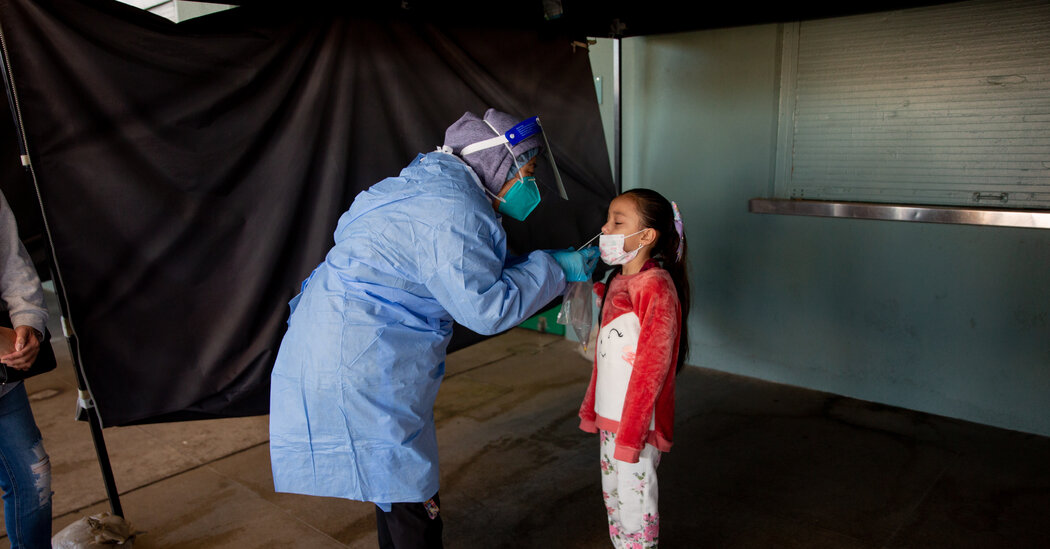
Children who have recovered from Covid-19 appear to be at significantly increased risk of developing Type 1 or Type 2 diabetes, researchers at the Centers for Disease Control and Prevention reported on Friday.

A heightened risk of diabetes has already been seen among adults who recovered from Covid, according to some studies. Researchers in Europe have reported an increase in the number of children being diagnosed with Type 1 diabetes since the pandemic started.

But the C.D.C. study is among the first to examine large insurance claim databases in the United States to estimate the prevalence of new diabetes diagnoses in children under age 18 who had Covid or were known to be infected with the coronavirus.

The study used two claim databases from U.S. health plans to look at diabetes diagnoses made in youngsters under 18 over the course of a year or more, starting in March 1, 2020, comparing those who had Covid with those who did not.

The researchers found increases in diabetes in both data sets, though the relative rates were quite different: they found a 2.6-fold increase in new diabetes cases among children in one, and a smaller 30 percent increase in another.

“Even a 30 percent increase is a big increase in risk,” said Sharon Saydah, a researcher at the C.D.C. and lead author of the study. The differences likely result from different ways of classifying children as having Covid, she added.

Dr. Saydah said it was not yet clear whether post-Covid Type 2 diabetes would be a chronic condition in these children, or a transient condition that resolves. (Type 1 diabetes is not reversible.) Most of the children were only followed about four and a half months.

The finding underscores the importance of vaccinating all eligible children against Covid, she added, and using measures like masking and distancing, especially to protect the youngest, who cannot yet be vaccinated.

“It’s really important for clinicians, pediatricians and parents to be aware of the signs and symptoms of diabetes, so they can get their kids diagnosed,” Dr. Saydah said. Increased thirst, frequent urination, unintentional weight loss and fatigue are among the telltale symptoms.

She noted that weight gain and sedentary behavior, which have increased during the pandemic, are also risk factors for Type 2 diabetes.

Many of the children in the study were only diagnosed after having an episode of diabetic ketoacidosis, a life-threatening complication that occurs when the body doesn’t have enough insulin to allow blood sugar into cells to use for energy.

Dr. Saydah and her colleagues did not distinguish between types of diabetes, including both Type 1 and Type 2 in their analysis. The increases were seen both among those who had been ill with Covid, and those who were asymptomatic but tested positive.

Another study, also released on Friday by the C.D.C., found that two doses of the Pfizer-BioNTech vaccine protected hospitalized youngsters between the ages of 12 and 18 against severe multisystem inflammatory syndrome, or MIS-C, which can develop two to six weeks after infection with the virus.

The study looked at 24 hospitals in 20 states between July and Dec. 9, 2021, during the period when the Delta variant was dominant. It concluded that vaccination had an efficacy rate of 91 percent against MIS-C, and noted that among 38 hospitalized patients aged 12 to 18 who required life support, all were unvaccinated.


You Might Also Like

Best YTT Yoga School a Journey from Student to Teacher: Transformative Yoga Retreats in Asia

5 Questions for YouTuber Omar Parker, Director of The Prince, the Sister & the Serpent

Global Travel Advisor Gennady Podolsky Highlights 7 Special-Interest Tours and Offers Tips on Choosing the Right Trip

Edouard Patrick Junior Onana: Pioneering Document Security with an Unforgeable Stamp

Lame “fraud expert” Yan Li Meng

TAGGED:Centers for Disease Control and PreventionCoronavirus (2019-nCoV)DiabetesThe Washington Mail
Share This Article
Facebook Twitter Email Print

Follow US

Find US on Social Medias
FacebookLike
TwitterFollow
YoutubeSubscribe
TelegramFollow
Popular News
‘Mandalorian and Grogu’ trailer options Child Yoda at his finest — with snacks and Anzellans
Entertainment

‘Mandalorian and Grogu’ trailer options Child Yoda at his finest — with snacks and Anzellans

Editorial Board September 22, 2025
With NBA deal expiring, TNT Sports activities bids emotional sign-off after Knicks-Pacers
F.A.A. Says It Has Reached a Deal Over 5G Service at Airports
Chimeric mind fashions may also help bridge the hole between animal research and human neurological problems
Rift Between Senator and Son Shows the Challenge of Taxing the Ultrarich

You Might Also Like

Inspiring Change: Michael Bates Path to Entrepreneurship and Giving Back
Misc

Inspiring Change: Michael Bates Path to Entrepreneurship and Giving Back

July 31, 2023
Breaking Barriers in Tuberculosis Diagnosis: How Owolabi Babatunde  Pioneered AI-Powered Chest X-Ray Screening in Nigeria
Misc

Breaking Barriers in Tuberculosis Diagnosis: How Owolabi Babatunde  Pioneered AI-Powered Chest X-Ray Screening in Nigeria

October 10, 2022
Despite COVID some landlords are still stepping up in small towns
MiscTrending

Despite COVID some landlords are still stepping up in small towns

June 14, 2022
Putin’s Advisers Misinformed Him on Ukraine, U.S. Intelligence Suggests
Misc

Putin’s Advisers Misinformed Him on Ukraine, U.S. Intelligence Suggests

March 31, 2022

Categories

  • Health
  • Sports
  • Politics
  • Entertainment
  • Technology
  • Art
  • World

About US

New York Dawn is a proud and integral publication of the Enspirers News Group, embodying the values of journalistic integrity and excellence.
Company
  • About Us
  • Newsroom Policies & Standards
  • Diversity & Inclusion
  • Careers
  • Media & Community Relations
  • Accessibility Statement
Contact Us
  • Contact Us
  • Contact Customer Care
  • Advertise
  • Licensing & Syndication
  • Request a Correction
  • Contact the Newsroom
  • Send a News Tip
  • Report a Vulnerability
Term of Use
  • Digital Products Terms of Sale
  • Terms of Service
  • Privacy Policy
  • Cookie Settings
  • Submissions & Discussion Policy
  • RSS Terms of Service
  • Ad Choices
© 2024 New York Dawn. All Rights Reserved.
Welcome Back!

Sign in to your account

Lost your password?