

We collect cookies to analyze our website traffic and performance; we never collect any personal data. Cookie Policy
Accept
NEW YORK DAWN™NEW YORK DAWN™NEW YORK DAWN™
Notification Show More
Font ResizerAa
  • Home
  • Trending
  • New York
  • World
  • Politics
  • Business
    • Business
    • Economy
    • Real Estate
  • Crypto & NFTs
  • Tech
  • Lifestyle
    • Lifestyle
    • Food
    • Travel
    • Fashion
    • Art
  • Health
  • Sports
  • Entertainment
Reading: Looking for Early Warning Signs of Pancreatic Cancer
Share
Font ResizerAa
NEW YORK DAWN™NEW YORK DAWN™
Search
  • Home
  • Trending
  • New York
  • World
  • Politics
  • Business
    • Business
    • Economy
    • Real Estate
  • Crypto & NFTs
  • Tech
  • Lifestyle
    • Lifestyle
    • Food
    • Travel
    • Fashion
    • Art
  • Health
  • Sports
  • Entertainment
Follow US
NEW YORK DAWN™ > Blog > Misc > Looking for Early Warning Signs of Pancreatic Cancer
Looking for Early Warning Signs of Pancreatic Cancer
Misc

Looking for Early Warning Signs of Pancreatic Cancer

Last updated: February 7, 2022 10:00 am
Editorial Board Published February 7, 2022
Share
SHARE
07sci brody pancreatic cancer facebookJumbo v2

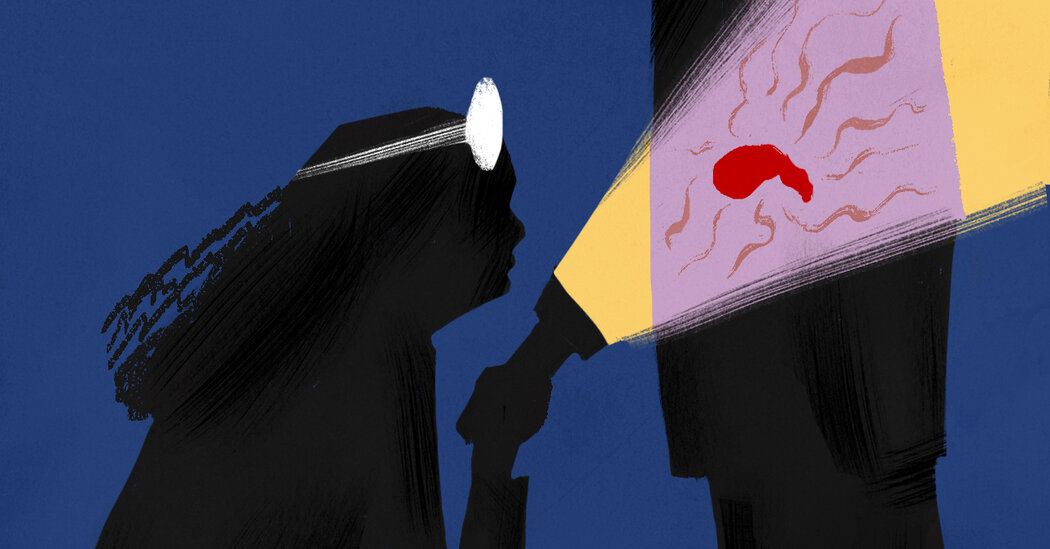
An early cancer in the pancreas doesn’t produce a lesion that can be felt, and it rarely causes symptoms that might prompt a definitive medical work-up until it has escaped the confines of the pancreas and spread elsewhere.

But scientists are studying one possible early warning sign: a link between pancreatic cancer and newly developed Type 2 diabetes. Diabetes, too, arises in the pancreas, which contains specialized cells that produce the hormone insulin that regulates blood sugar levels. And while it’s not yet known which comes first, diabetes or cancer, some research suggests that the recent development of Type 2 diabetes may herald the existence of cancer hidden in this organ.

New Developments in Cancer Research


Card 1 of 6

Progress in the field. In recent years, advancements in research have changed the way cancer is treated. Here are some recent updates:

Chemotherapy. A quiet revolution is underway in the field of cancer treatment: A growing number of patients, especially those with breast and lung cancers, are being spared the dreaded treatment in favor of other options.

Leukemia. After receiving a new treatment, called CAR T cell therapy, more than a decade ago, two patients with chronic lymphocytic leukemia saw the blood cancer vanish. Their cases offer hope for those with the disease, and create some new mysteries.

Esophageal cancer. Nivolumab, a drug that unleashes the immune system, was found to extend survival times in patients with the disease who took part in a large clinical trial. Esophageal cancer is the seventh most common cancer in the world.

An early study from 2005 of 2,122 residents of Rochester, Minn., by Dr. Suresh T. Chari, now a gastroenterologist at The University of Texas MD Anderson Cancer Center, found that within three years of receiving a diagnosis of diabetes, people were six to eight times more likely than the general population to have pancreatic cancer. He, along with colleagues at the Mayo Clinic, also identified a gene called UCP-1 that may predict the development of this cancer in people with diabetes.

More recently, Dr. Maxim S. Petrov, a professor of pancreatology at the University of Auckland School of Medicine, led a September 2020 study in New Zealand of nearly 140,000 people with Type 2 diabetes or pancreatitis, or both, who were followed for up to 18 years. The findings revealed that those who developed diabetes after an attack of pancreatitis were seven times more likely to get pancreatic cancer than others with Type 2 diabetes.

In 2018, the National Cancer Institute launched a study that is in the process of enrolling 10,000 people aged 50 to 85 with newly diagnosed diabetes or elevated blood sugar levels. Participants will donate blood and tissue samples, and researchers will follow them in the hopes of identifying clues to early detection among those who develop pancreatic cancer.

Another effort begun last summer by the Pancreatic Cancer Action Network, called the Early Detection Initiative for Pancreatic Cancer, will enroll more than 12,000 participants with elevated blood sugar levels and new-onset diabetes. Half will have periodic blood tests and undergo abdominal imaging based on their age, body weight and blood glucose levels to look for evidence of early pancreatic cancer, while the others will serve as controls.

The goal of such studies is to identify biological markers, like certain genes or proteins excreted by the tumor, that could be used in screening tests to indicate the presence of cancer when it could still potentially benefit from surgery. Alas, the results are not likely to be known before 2030, if then.

Meanwhile, Dr. Wolpin said that doctors should consider “a checklist” of warning signs that might alert them to the presence of an early, curable cancer. Among things to consider, he said, are whether a patient’s glucose level is rising rapidly and is difficult to control with diabetes medication; whether patients with diabetes are losing weight with no explanation like a change in diet or exercise; or if patients have been fine for years and then suddenly in their early 70s get diabetes and it’s not clear why.


You Might Also Like

Best YTT Yoga School a Journey from Student to Teacher: Transformative Yoga Retreats in Asia

5 Questions for YouTuber Omar Parker, Director of The Prince, the Sister & the Serpent

Global Travel Advisor Gennady Podolsky Highlights 7 Special-Interest Tours and Offers Tips on Choosing the Right Trip

Edouard Patrick Junior Onana: Pioneering Document Security with an Unforgeable Stamp

Lame “fraud expert” Yan Li Meng

TAGGED:DiabetesPancreatic CancerTests (Medical)The Washington Mail
Share This Article
Facebook Twitter Email Print

Follow US

Find US on Social Medias
FacebookLike
TwitterFollow
YoutubeSubscribe
TelegramFollow
Popular News
The Overlooked Stone Carvers of Escolásticas
Lifestyle

The Overlooked Stone Carvers of Escolásticas

Editorial Board March 21, 2022
Digital Bandidos expands recreation publishing workers
Eye-tracking exhibit helps map gaze habits improvement throughout totally different life phases
Ahead of Biden’s Democracy Summit, China Says: We’re Also a Democracy
Researchers sound warning about girls with sort 2 diabetes taking oral hormone substitute remedy

You Might Also Like

Inspiring Change: Michael Bates Path to Entrepreneurship and Giving Back
Misc

Inspiring Change: Michael Bates Path to Entrepreneurship and Giving Back

July 31, 2023
Breaking Barriers in Tuberculosis Diagnosis: How Owolabi Babatunde  Pioneered AI-Powered Chest X-Ray Screening in Nigeria
Misc

Breaking Barriers in Tuberculosis Diagnosis: How Owolabi Babatunde  Pioneered AI-Powered Chest X-Ray Screening in Nigeria

October 10, 2022
Despite COVID some landlords are still stepping up in small towns
MiscTrending

Despite COVID some landlords are still stepping up in small towns

June 14, 2022
Putin’s Advisers Misinformed Him on Ukraine, U.S. Intelligence Suggests
Misc

Putin’s Advisers Misinformed Him on Ukraine, U.S. Intelligence Suggests

March 31, 2022

Categories

  • Health
  • Sports
  • Politics
  • Entertainment
  • Technology
  • Art
  • World

About US

New York Dawn is a proud and integral publication of the Enspirers News Group, embodying the values of journalistic integrity and excellence.
Company
  • About Us
  • Newsroom Policies & Standards
  • Diversity & Inclusion
  • Careers
  • Media & Community Relations
  • Accessibility Statement
Contact Us
  • Contact Us
  • Contact Customer Care
  • Advertise
  • Licensing & Syndication
  • Request a Correction
  • Contact the Newsroom
  • Send a News Tip
  • Report a Vulnerability
Term of Use
  • Digital Products Terms of Sale
  • Terms of Service
  • Privacy Policy
  • Cookie Settings
  • Submissions & Discussion Policy
  • RSS Terms of Service
  • Ad Choices
© 2024 New York Dawn. All Rights Reserved.
Welcome Back!

Sign in to your account

Lost your password?