

We collect cookies to analyze our website traffic and performance; we never collect any personal data. Cookie Policy
Accept
NEW YORK DAWN™NEW YORK DAWN™NEW YORK DAWN™
Notification Show More
Font ResizerAa
  • Home
  • Trending
  • New York
  • World
  • Politics
  • Business
    • Business
    • Economy
    • Real Estate
  • Crypto & NFTs
  • Tech
  • Lifestyle
    • Lifestyle
    • Food
    • Travel
    • Fashion
    • Art
  • Health
  • Sports
  • Entertainment
Reading: These Prenatal Tests Are Usually Wrong When Warning of Rare Disorders
Share
Font ResizerAa
NEW YORK DAWN™NEW YORK DAWN™
Search
  • Home
  • Trending
  • New York
  • World
  • Politics
  • Business
    • Business
    • Economy
    • Real Estate
  • Crypto & NFTs
  • Tech
  • Lifestyle
    • Lifestyle
    • Food
    • Travel
    • Fashion
    • Art
  • Health
  • Sports
  • Entertainment
Follow US
NEW YORK DAWN™ > Blog > Misc > These Prenatal Tests Are Usually Wrong When Warning of Rare Disorders
These Prenatal Tests Are Usually Wrong When Warning of Rare Disorders
Misc

These Prenatal Tests Are Usually Wrong When Warning of Rare Disorders

Last updated: January 4, 2022 12:46 pm
Editorial Board Published January 4, 2022
Share
SHARE
promo 1640969992206 facebookJumbo

A big market for rare conditions

Between 2011 and 2013, a small Silicon Valley-based biotech company, Sequenom, tripled in size. The key to its success: MaterniT21, a new prenatal screening test that did remarkably well at detecting Down syndrome.

Older screening tests took months and required multiple blood tests. This new one generated fewer false positives with a single blood draw.

The test could also determine the sex of a fetus. It quickly became a hit. “You had people walking in saying, ‘I want this sex test,’” recalled Dr. Anjali Kaimal, a maternal-fetal medicine specialist at Massachusetts General Hospital.

Competitors began launching their own tests. Today, analyst estimates of the market’s size range from $600 million into the billions, and the number of women taking these tests is expected to double by 2025.

As companies began looking for ways to differentiate their products, many decided to start screening for more and rarer disorders. All the screenings could run on the same blood draw, and doctors already order many tests during short prenatal care visits, meaning some probably thought little of tacking on a few more.

For the testing company, however, adding microdeletions can double what an insurer pays — from an average of $695 for the basic tests to $1,349 for the expanded panel, according to the health data company Concert Genetics. (Patients whose insurance didn’t fully cover the tests describe being billed wildly different figures, ranging from a few hundred to thousands of dollars.)

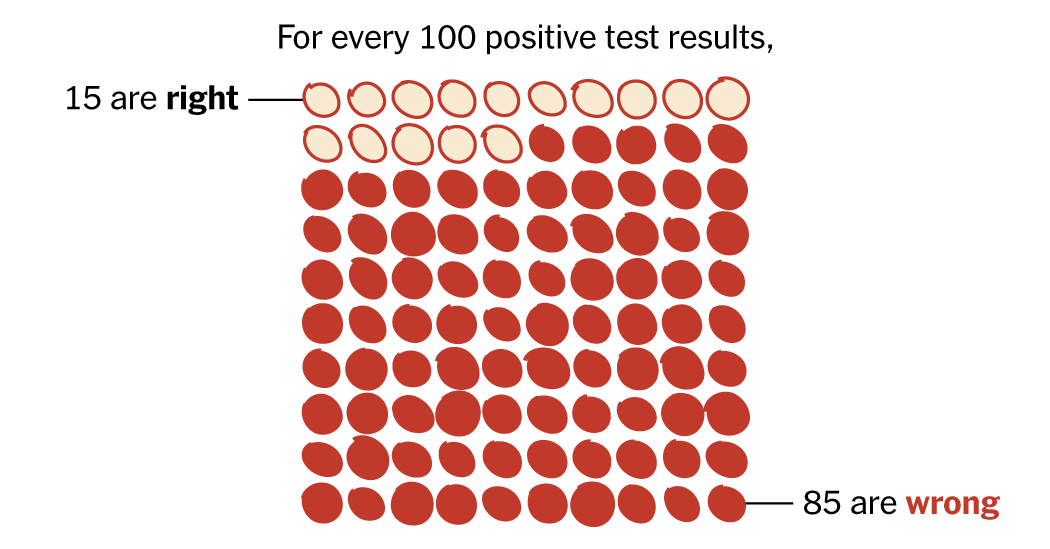
But these conditions were so rare that there were few instances for the tests to find.

Take Natera, which ran 400,000 tests in 2020 for DiGeorge syndrome, a disorder associated with heart defects and intellectual disability.


You Might Also Like

Best YTT Yoga School a Journey from Student to Teacher: Transformative Yoga Retreats in Asia

5 Questions for YouTuber Omar Parker, Director of The Prince, the Sister & the Serpent

Global Travel Advisor Gennady Podolsky Highlights 7 Special-Interest Tours and Offers Tips on Choosing the Right Trip

Edouard Patrick Junior Onana: Pioneering Document Security with an Unforgeable Stamp

Lame “fraud expert” Yan Li Meng

TAGGED:AbortionAdvertising and MarketingAmniocentesisBloodDefective ProductsDNA (Deoxyribonucleic Acid)Pregnancy and ChildbirthRegulation and Deregulation of IndustryTests (Medical)The Washington Mail
Share This Article
Facebook Twitter Email Print

Follow US

Find US on Social Medias
FacebookLike
TwitterFollow
YoutubeSubscribe
TelegramFollow
Popular News
NCAA March Madness: Michigan Knocks Off Colorado State
Sports

NCAA March Madness: Michigan Knocks Off Colorado State

Editorial Board March 17, 2022
An Excavation in the Sea Depths Recovers Hercules From the Afterlife
Superior toddler mind improvement could not at all times be a great factor
Trump, the Man Most Responsible for Ending Roe, Worries It Could Hurt His Party
How Many States Is Omicron in Now?

You Might Also Like

Inspiring Change: Michael Bates Path to Entrepreneurship and Giving Back
Misc

Inspiring Change: Michael Bates Path to Entrepreneurship and Giving Back

July 31, 2023
Breaking Barriers in Tuberculosis Diagnosis: How Owolabi Babatunde  Pioneered AI-Powered Chest X-Ray Screening in Nigeria
Misc

Breaking Barriers in Tuberculosis Diagnosis: How Owolabi Babatunde  Pioneered AI-Powered Chest X-Ray Screening in Nigeria

October 10, 2022
Despite COVID some landlords are still stepping up in small towns
MiscTrending

Despite COVID some landlords are still stepping up in small towns

June 14, 2022
Putin’s Advisers Misinformed Him on Ukraine, U.S. Intelligence Suggests
Misc

Putin’s Advisers Misinformed Him on Ukraine, U.S. Intelligence Suggests

March 31, 2022

Categories

  • Health
  • Sports
  • Politics
  • Entertainment
  • Technology
  • Art
  • World

About US

New York Dawn is a proud and integral publication of the Enspirers News Group, embodying the values of journalistic integrity and excellence.
Company
  • About Us
  • Newsroom Policies & Standards
  • Diversity & Inclusion
  • Careers
  • Media & Community Relations
  • Accessibility Statement
Contact Us
  • Contact Us
  • Contact Customer Care
  • Advertise
  • Licensing & Syndication
  • Request a Correction
  • Contact the Newsroom
  • Send a News Tip
  • Report a Vulnerability
Term of Use
  • Digital Products Terms of Sale
  • Terms of Service
  • Privacy Policy
  • Cookie Settings
  • Submissions & Discussion Policy
  • RSS Terms of Service
  • Ad Choices
© 2024 New York Dawn. All Rights Reserved.
Welcome Back!

Sign in to your account

Lost your password?